by Charlie Gardner
When Extinction Rebellion burst onto the scene in 2018 it felt like what I’d been waiting for, and I threw myself into activism. Soon our scientists’ group was formed and I found myself a useful niche, trying to persuade the rest of the academic community that they, too, might have greater influence if they stepped beyond ‘the lab’.
Seven years later I’m still at it, and I’ve never been more convinced about the importance of this work. But once the initial excitement of joining such an impactful social movement started to settle, it quickly became clear to me that not everyone was going to join XR. Many people don’t have the liberty to engage in protest, and many more simply don’t consider themselves activists, so most of the ‘silent majority’ who are worried about the breakdown of climate and nature just sit there, with no useful outlet for their anxiety.
It’s not that there’s nothing they can do. Yet most of the advice we ever hear is woefully inadequate, focused as it is on reducing our footprints, and fails to inspire. That’s always frustrated me so, when the IPCC published one of their synthesis reports in 2021, I wrote a long Twitter thread outlining all the other things we can do.
It went a bit wild. Lots of people said they found it useful, others appreciated my tone, and in time I started to play with the idea of turning it into a book. After what turned out to be quite the slog, that book’s now going to be published in January!
What One Person Can Do is the how-to guide for anyone who wants to do more for climate and nature. The friends I’ve shared it with in this group have loved it and I hope even the most experienced activists will draw a lot from it, but I didn’t really write it for us. I wrote it for our friends, family members, colleagues, neighbours and students who are worried, but haven’t yet found their power to do much beyond being careful with their shopping.
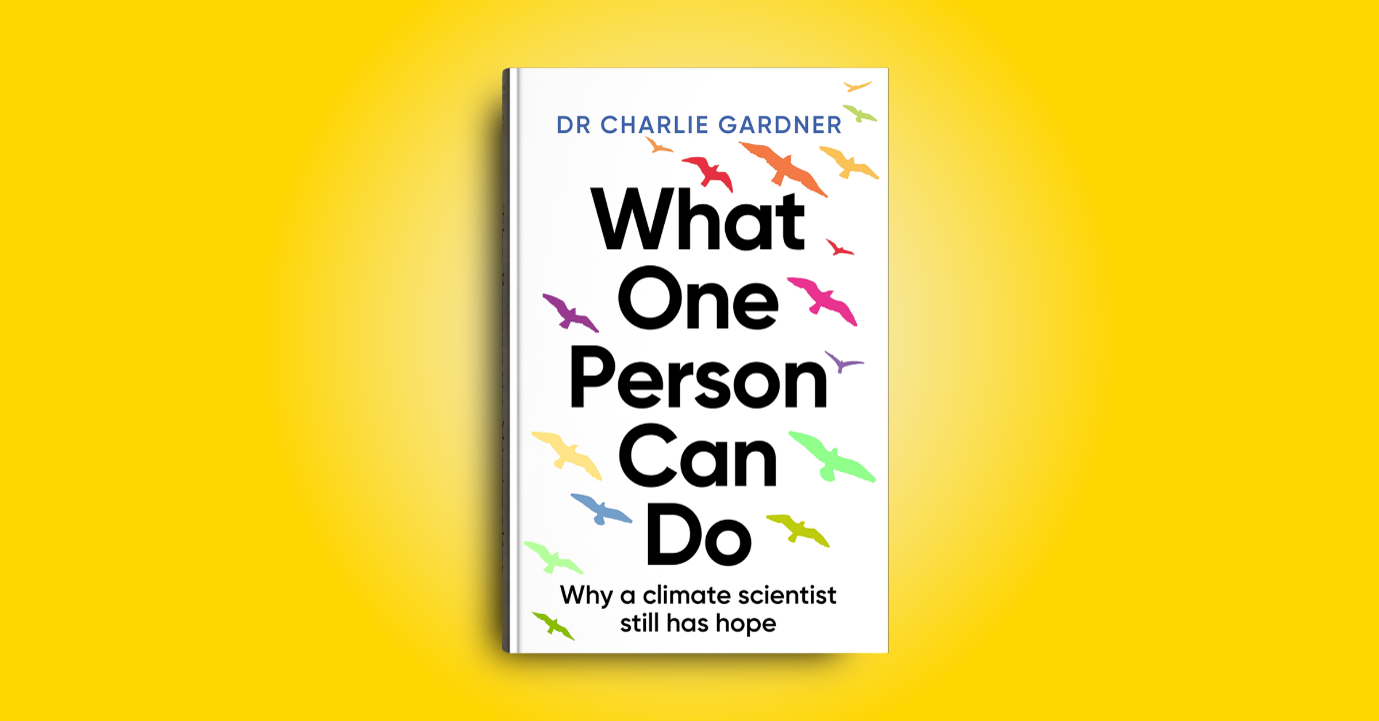
Pre-order: https://geni.us/whatonepersoncando.
The book is framed around the idea of social contagion, and the fact that everything we do for climate and nature has a powerful double impact. Beyond the direct effects it also sends a signal to other people. It’s a signal that says ‘other people are taking this seriously, maybe I should too’, and it’s how we reach social tipping points.
The book has seven main chapters, covering:
How to cope with the enormity of it all and look after ourselves
How to reduce our footprints
How to speak persuasively with the people who matter to us
How to get together with likeminded people and take collective action as a group
How to make our communities more sustainable and resilient
How to transform our workplaces and the other organisations we’re part of
And, of course, how to push for system change through campaigning and activism.
It’s a book very much born from my time in Scientists for Extinction Rebellion, and now Scientists on Survival. Most of my thinking has been developed through resources you’ve shared, through conversations I’ve had with other scientist activists, and through the collective action we’ve taken together. The book wouldn’t exist without this group, and without so many of you, and I’m absolutely thrilled that you will soon be able to read it.
I don’t like having to play the salesperson, but I’d be really grateful if you’d consider pre-ordering a copy. I’m convinced this is a powerful tool, and I’m desperate to get into into as many hands as possible to help us reach social tipping points. Pre-orders will have a big role in that because they guide retailers’ decisions on stocking and promotion, so please have a look at some of the more ethical retailers here.
Please also get in touch if you’d like me to speak to your local group, students or workplace.
Thank you, happy reading, and more power to you!