Not signed up yet? Get every issue straight to your inbox by registering here
This is important. We're all in this together.
Autumn Newsletter 2
What can one person actually do?
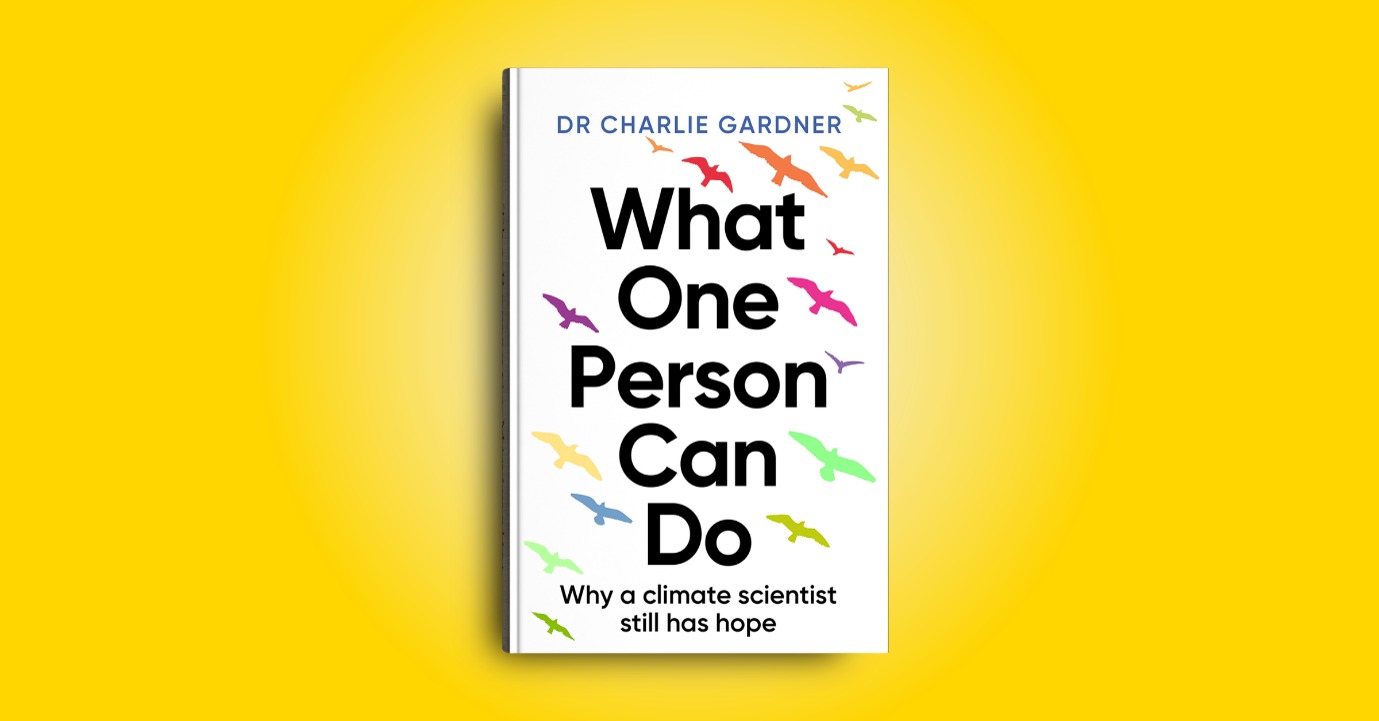
Charlie Gardner
When Extinction Rebellion burst onto the scene in 2018 it felt like what I’d been waiting for, and I threw myself into activism. Soon our scientists’ group was formed and I found myself a useful niche, trying to persuade the rest of the academic community that they, too, might have greater influence if they stepped beyond ‘the lab’.
Seven years later I’m still at it, and I’ve never been more convinced about the importance of this work. But once the initial excitement of joining such an impactful social movement started to settle, it quickly became clear to me that not everyone was going to join XR. Many people don’t have the liberty to engage in protest, and many more simply don’t consider themselves activists, so most of the ‘silent majority’ who are worried about the breakdown of climate and nature just sit there, with no useful outlet for their anxiety.
Joining protests already organised by others in the climate movement is an easy way to take action, and our lab coats bring scientific gravitas to the cause. Here are two recent examples, both met with warm public reactions and a welcome sense of solidarity.
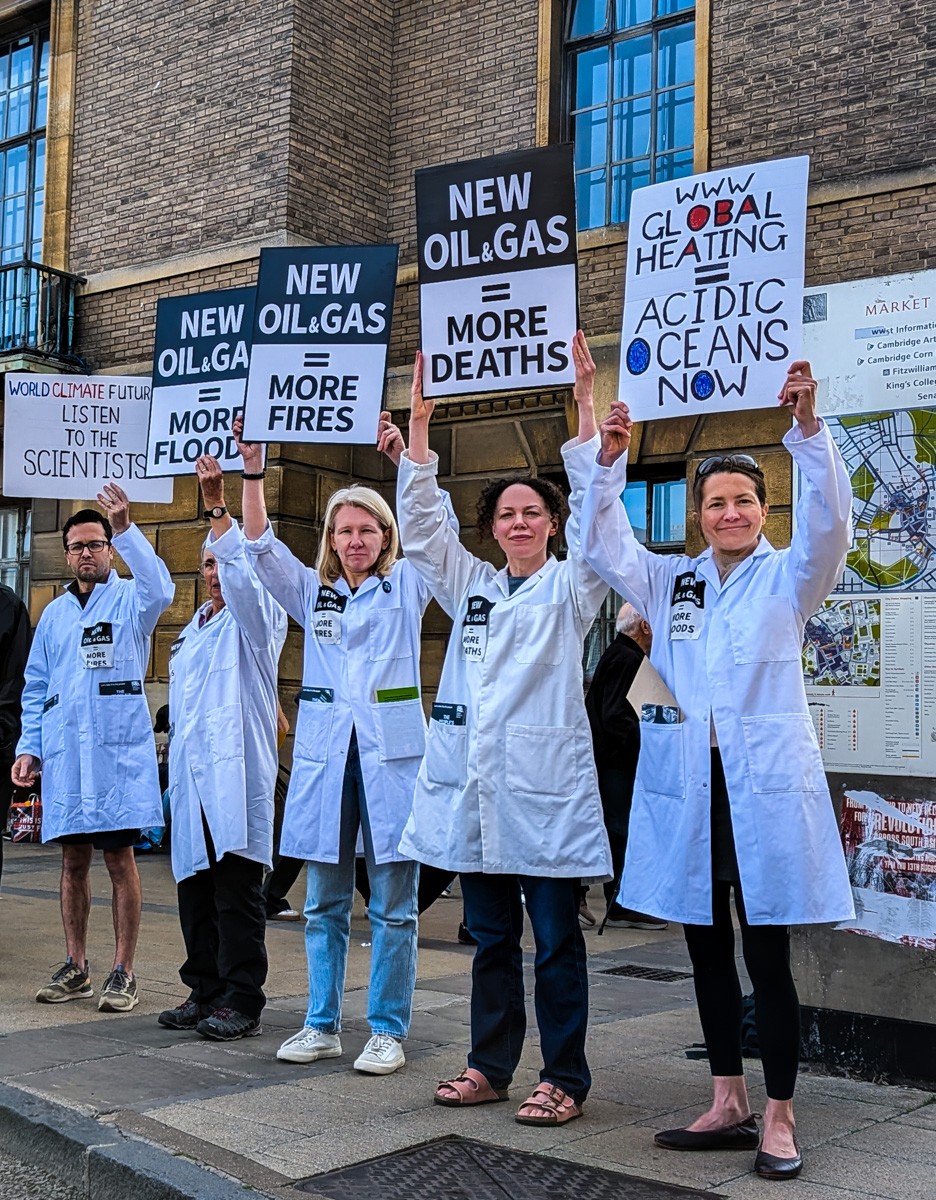
First action by Cambridge Scientists on Survival
On 26th Sept, six scientists joined the monthly Quaker-led vigil to protest potential licencing of Jackdaw and Rosebank.
“After the hottest summer on record with a super El Niño on the way, any politician approving new oil and gas right now is looking at climate collapse in the face -and choosing to accelerate it”.
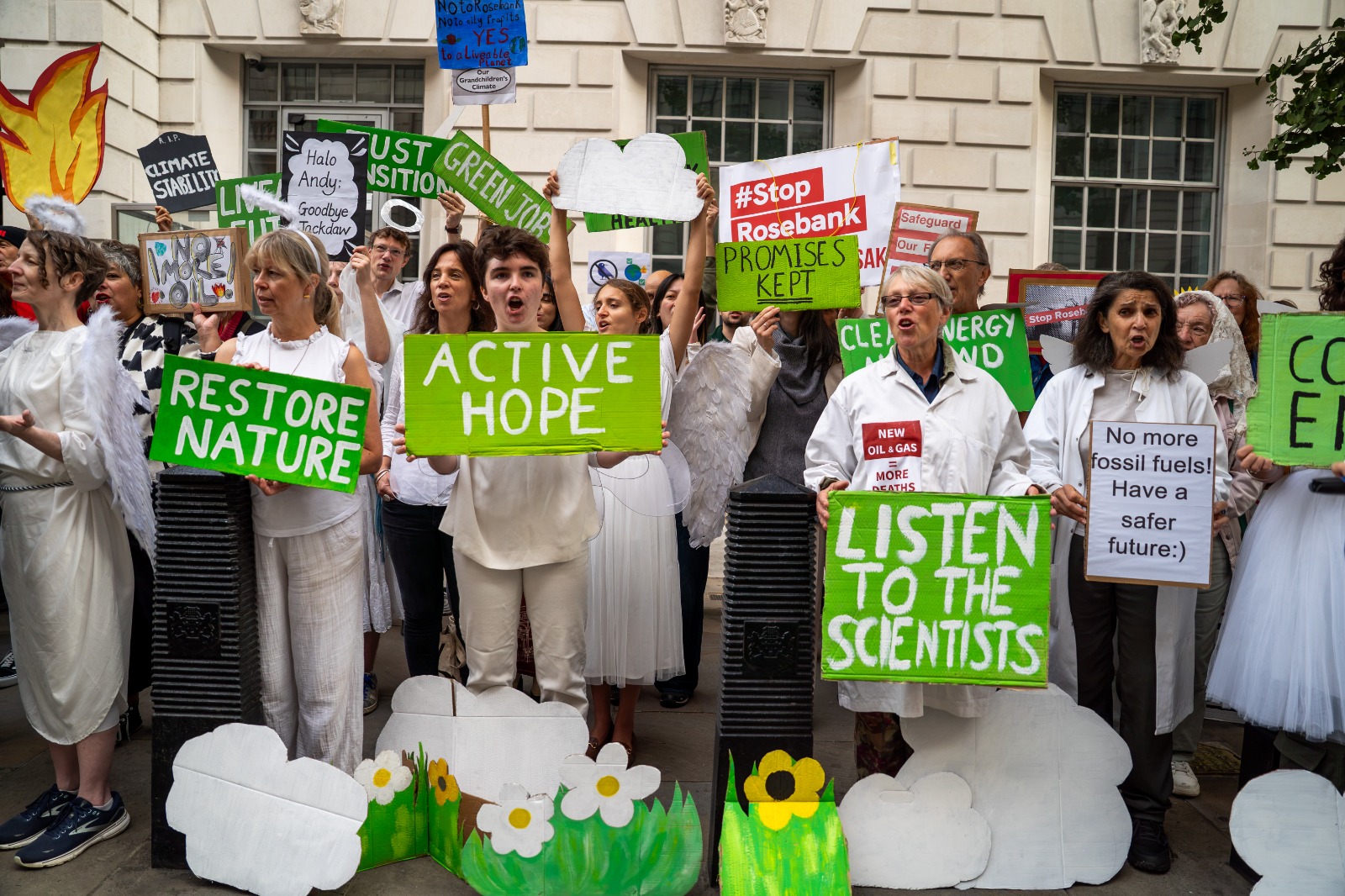
On the side of the angels: Scientists join Fossil Fuel London outside DESNEZ
Five of us joined the always creative and fun Fossil Fuel London activists on 6th Oct to protest against potential licencing of the Jackdaw and Rosebank fields before imminent decisions from the Energy Secretary. Read more
You might also like
Engaging with right-wing media with Prof Jason Scott-Warren.
A presentation given as part of the Be a more active scientist series. (Password to access: x^t0nev=)
New episode from a World in Flux: Prof James Bullock and Dr Charlie Gardner are talking about what nature breakdown means for our security.